
Markets · Canada
Building Material Packages for Canadian Projects
Starveil supplies Canada building materials as coordinated building-envelope and interior-fit-out packages for Canadian projects. Selection starts with the province or territory, municipality, building type, climate and exposure inputs, energy pathway and criteria nominated by the appointed Canadian team. The National Building Code of Canada 2025 is a model code; the applicable adopted code and local amendments must be confirmed for the project location.
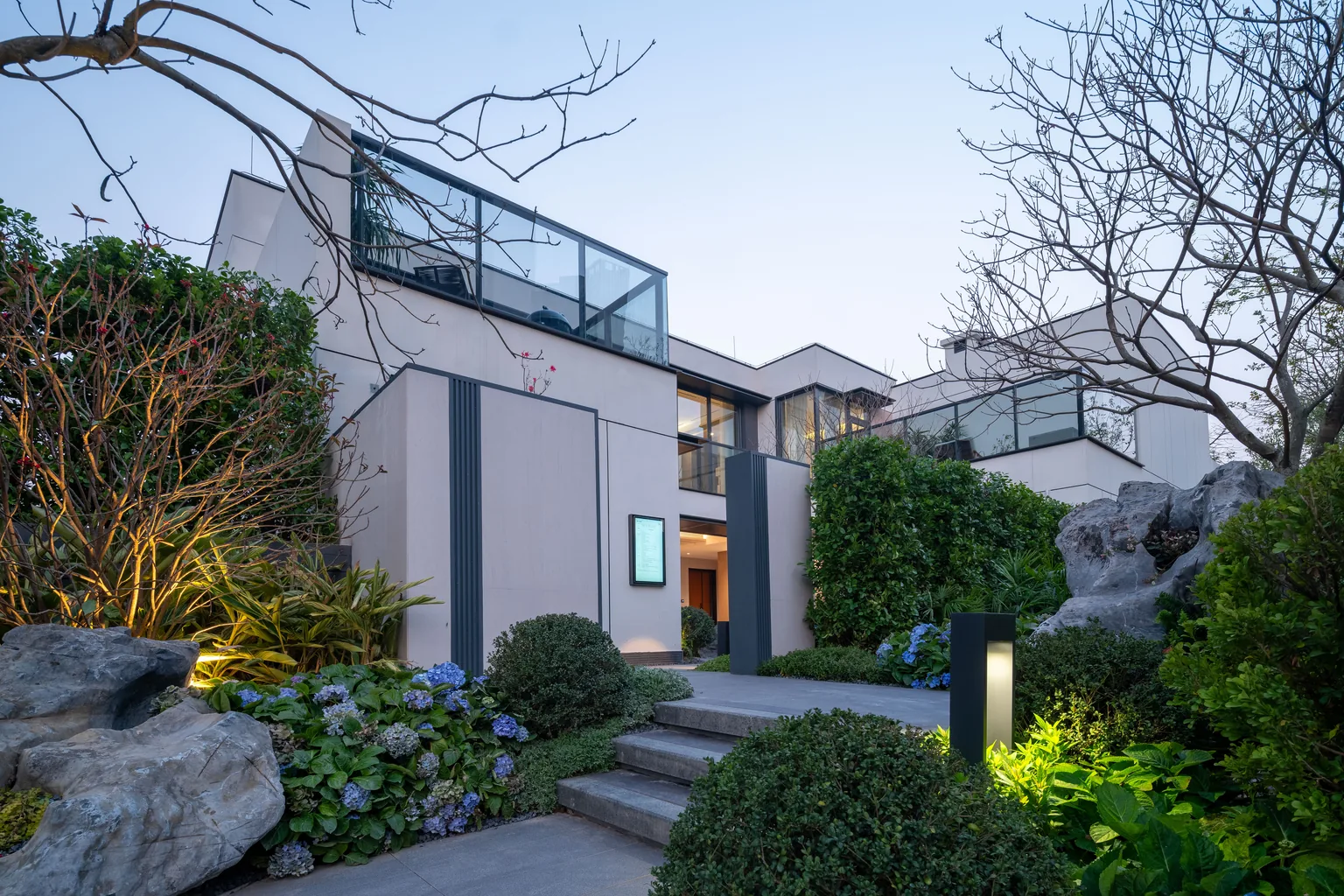
Starveil supplies coordinated building-envelope and interior-fit-out packages for Canadian projects. Selection starts with the province or territory, municipality, building type, climate and exposure inputs, energy pathway and criteria nominated by the appointed Canadian team. The National Building Code of Canada 2025 is a model code; the applicable adopted code and local amendments must be confirmed for the project location.
Province first
Adopted code and local amendments identified
Climate led
Cold, wind, snow, water and exposure inputs
Exact evidence
Model and assembly documentation checked
Delivery defined
Importer, packing and site handoff agreed
On this pagePrioritiesWorkflowBest-fit routesDeliverablesEvidenceFAQ
Decision Priorities
What Must Be Clear Before a Reliable Proposal
Early clarity reduces hidden assumptions, unpriced interfaces and late approval changes.
Province & approval route
Province or territory, municipality, building type, permit pathway and local consultant criteria.
Cold-climate envelope
Thermal, condensation, air, water, wind, snow, freeze-thaw and coastal exposure inputs where relevant.
Product identity & evidence
Exact window, door, façade, finish, fixture or assembly matched to requested labels, reports and documentation.
Import & installation
Importer of record, destination, bilingual or local documentation needs, storage, installation and commissioning responsibility.
Working Model
From Project Brief to Controlled Delivery
One documented sequence connects design intent, commercial scope, technical approval, production and handoff.
- 01
Confirm the Canadian design basis
The local project team identifies the adopted provincial or territorial code, municipal requirements and performance criteria.
- 02
Select climate-appropriate systems
Profiles, glazing, seals, coatings, materials and interfaces are matched to the stated exposure and use.
- 03
Verify exact evidence
Product identity, reports, labels, samples and documentation status are reviewed before acceptance.
- 04
Release controlled production
Approved drawings, finishes, quantities and exact configurations govern manufacture and partner supply.
- 05
Coordinate Canadian delivery
Packing, commercial documents and shipment batches follow the agreed destination, importer and site sequence.
Best-Fit Routes
Start with the Page Closest to Your Decision
Use these focused routes before opening deeper product parameters.
Windows
Compare operating families, glazing and configuration-level evidence for Canadian project inputs.
Exterior Doors
Coordinate entry, patio and secondary doors around climate, thresholds and interfaces.
Whole-House Package
Combine envelope, cabinetry, doors, surfaces, furniture and delivery.
Responsibility by Gate
Deliverables and Approval Boundaries
Every gate identifies what Starveil prepares and what the appointed project team must confirm.
| Project gate | Starveil deliverable | Client / project-team action |
|---|---|---|
| Market brief | Province/territory, municipality, building type and nominated criteria | Canadian design team confirms governing requirements |
| Technical proposal | Configuration matrix, interfaces and evidence-status register | Approver reviews product applicability |
| Pre-Production | Shop drawings, samples and exact product records | Named party releases manufacture |
| Shipment | Packing list, commercial documents and delivery sequence | Importer and builder manage local receipt and installation |
Canada’s National Model Codes do not by themselves establish one identical requirement in every location. Provinces and territories adopt and may amend codes, and municipalities administer local approval. Starveil does not claim blanket Canadian compliance: the appointed Canadian professionals identify the applicable provisions, and we map each exact product configuration and available evidence for their review.
Official reference frameworks
- National Building Code of Canada 2025 ↗
- Canada’s construction system and model codes ↗
- ENERGY STAR windows, doors and skylights in Canada ↗
Links are provided for requirement discovery; the appointed project team determines the applicable edition, pathway and acceptance.
Verified Completed Work
Relevant Project Evidence
These links use confirmed project facts and supplied photography. Role and market relevance does not imply that every system shown was supplied on every case.
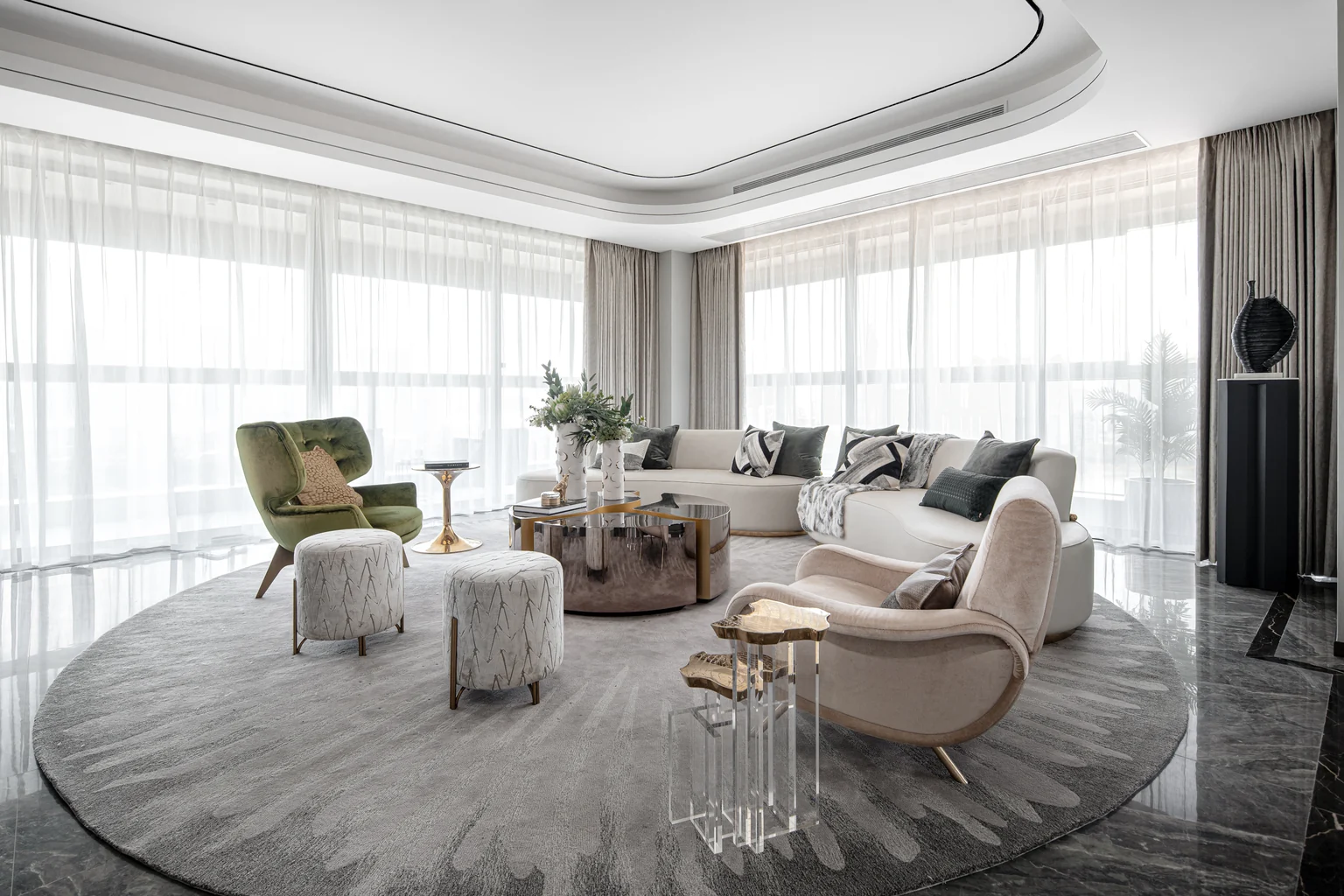
Residential · Completed
United States Private Residence
Joinery, flooring, stone, furniture and decorative systems specified and delivered as one whole-house package alongside the owner’s design team.
- ContextUnited States · Turnkey residential interior
- ScaleApprox. 400 m² floor area
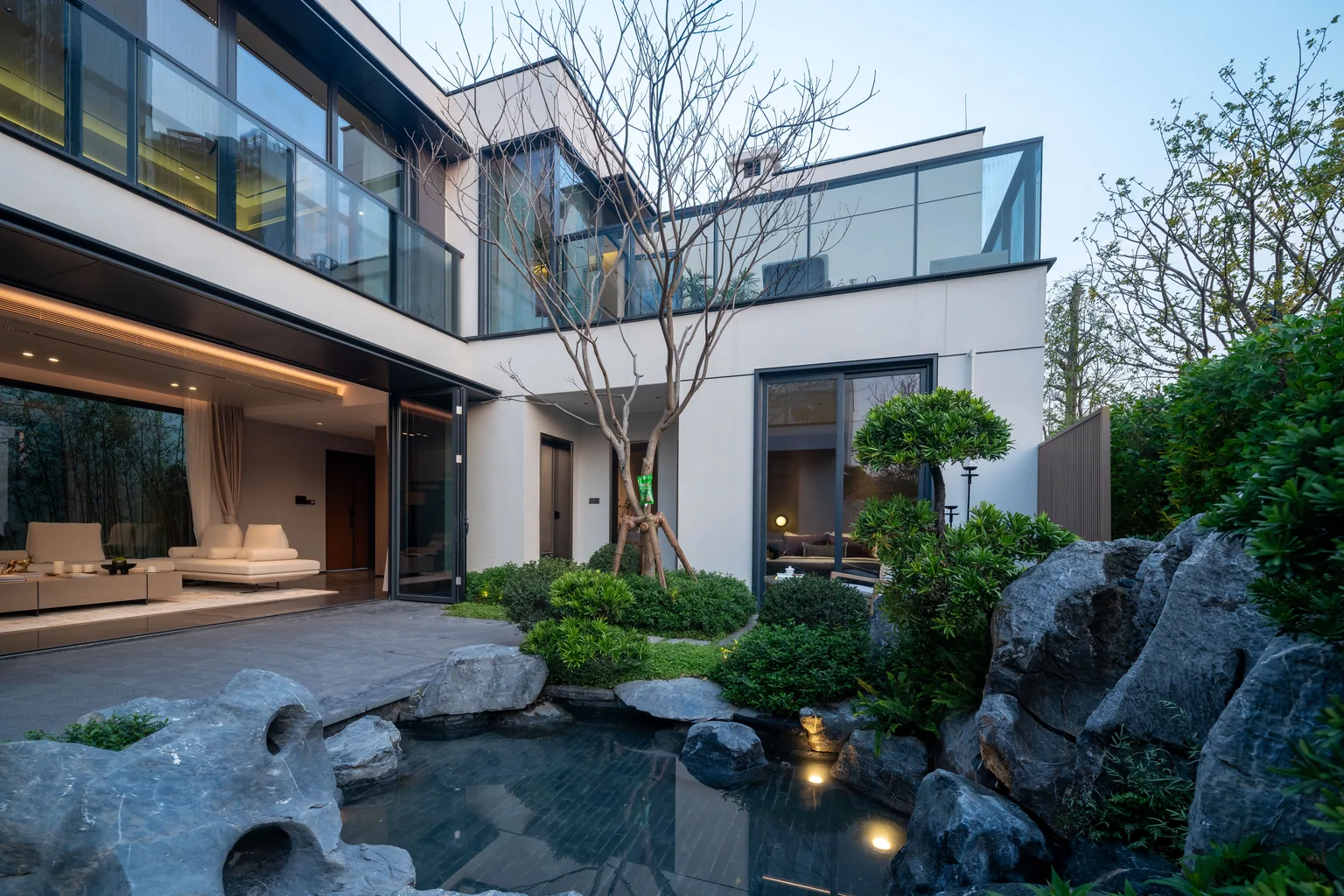
Residential · 2025
Penang Courtyard Villa
A coordinated exterior façade package preserving floor-to-ceiling transparency while responding to intense sun, humidity and monsoon rain.
- ContextPenang, Malaysia · Luxury courtyard villa
- ScaleApprox. 350 m² building · 800 m² façade
Frequently Asked Questions
Canada Questions
Can Starveil supply residential and hospitality projects in Canada?+
Yes, subject to project fit, scope, destination, importer arrangements and the evidence required by the appointed Canadian team.
Does every project automatically use the National Building Code of Canada 2025?+
No. It is a model code. The project team must confirm the edition and requirements adopted by the relevant province or territory, together with municipal amendments and approval procedures.
Are all Starveil windows ENERGY STAR certified in Canada?+
No blanket claim is made. Where ENERGY STAR or another label is requested, the exact model, certification status and current Canadian documentation must be verified before acceptance.
How do you address cold-climate and condensation risk?+
We review the thermal, glazing, edge, frame, air-sealing and interface inputs supplied by the project team. Final building-level condensation and energy design remain with the appointed Canadian professionals.
Who handles Canadian permits, customs and installation?+
The appointed local parties handle permits, importer-of-record obligations, customs, installation and local inspections unless a separate written scope states otherwise.
Start with the Project Facts
Share the Location, Stage, Drawings and Scope
We will identify the best-fit package, missing decision inputs and the evidence or approval route needed before quotation.