
Buying Guide · 02
How to Vet an Overseas Material Supplier
Choosing a supplier on price alone is the fastest way to discover hidden costs at the interfaces. This guide walks through the evidence worth collecting before you place an order.
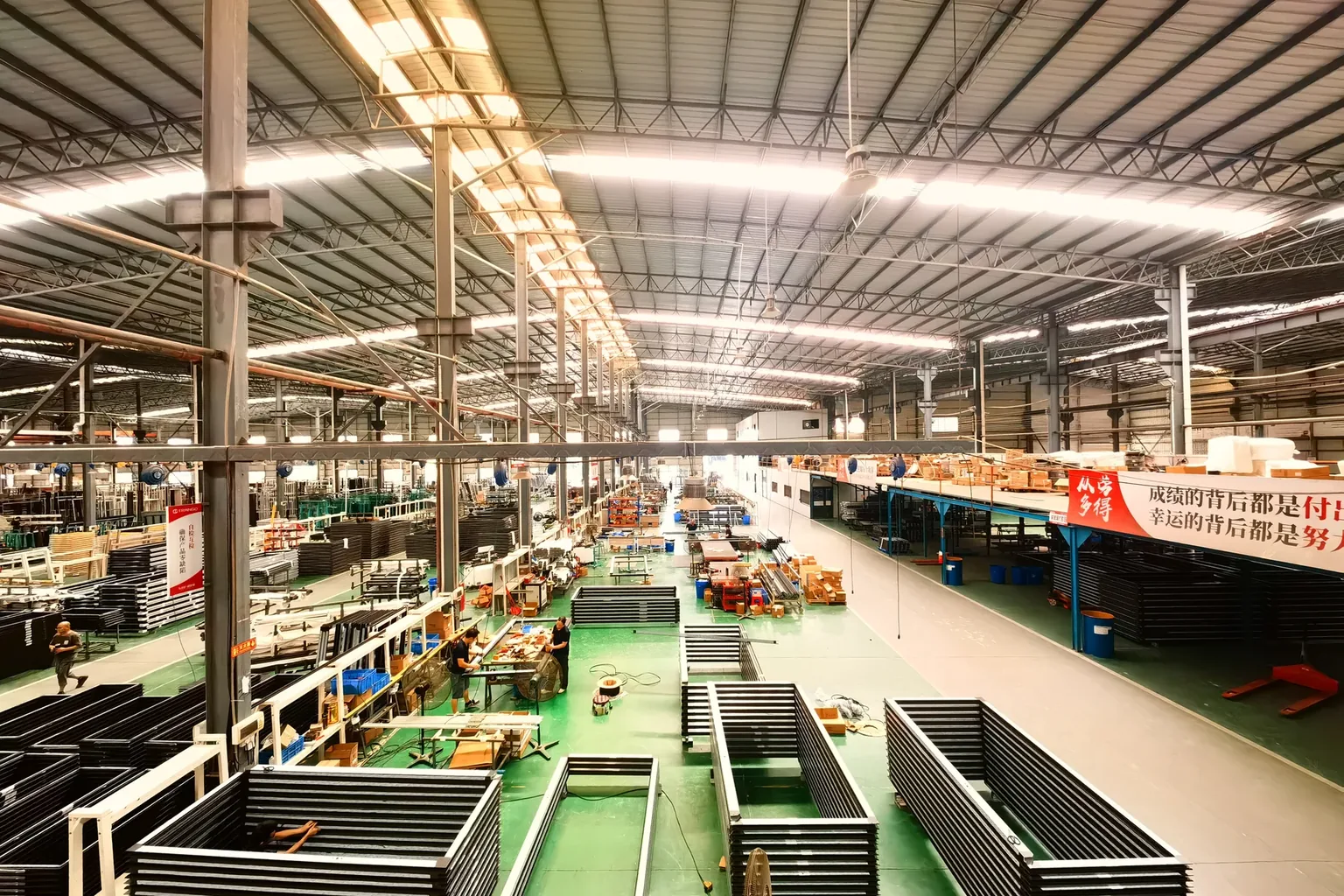
Vet an overseas material supplier by confirming four things before you commit: documented quality control, comparable project references, a shop-drawing and sample process you can inspect, and a proven export track record. The best suppliers answer technical questions precisely, show inspection records and explain how they pack and consolidate for overseas delivery. Price should be evaluated only after these capabilities are clear.
Step 01
Start With QC Documentation, Not a Catalogue
A glossy catalogue proves a factory can print. QC documentation proves it can repeat.
Incoming material inspection
How are aluminium extrusions, glass, hardware and timber checked when they arrive? Look for written acceptance criteria and rejection records.
In-process checkpoints
Ask where inspection happens during cutting, welding, assembly and finishing. A factory without staged checks relies entirely on final inspection.
Pre-shipment inspection reports
Request example reports for a recent shipment. Blank templates are not evidence; completed reports with photos and sign-offs are.
Test certificates
Certifications should match your system and region. Ask which standards they claim and request the actual documents, not a list.
Corrective-action records
A supplier that can show how it handled past defects is more reliable than one that claims it never has any.
Sub-supplier control
Glass, hardware and seals often come from elsewhere. Ask how the factory audits and approves its own suppliers.
Step 02
Check References Against Your Project Type
Hotel experience is not villa experience. Export experience is not domestic experience.
Comparable project scale
Ask for references with a similar unit count, finish level and system mix. A supplier strong in commodity windows may struggle with custom joinery.
Comparable destination
Packing, documentation and consolidation for your country matters. A supplier that only ships domestically is learning export on your project.
Reference depth
Photos are useful, but the real signal is whether the supplier can connect you to a past client or show shop drawings and shipping documents.
Repeat business
Suppliers with repeat clients have demonstrated delivery. One-off project photos are weaker evidence.
Step 03
Test the Technical Dialogue
The way a supplier answers drawings questions during evaluation is how they will answer them during production.
Send a real detail
Share one window or joinery detail from your project and ask how they would detail the junction. Generic answers are a red flag.
Ask about tolerances
What are their standard manufacturing tolerances? How do they manage cumulative tolerance across a multi-unit project?
Review shop-drawing turnaround
How long does it take to issue shop drawings? Who reviews them on their side? Slow or unclear answers predict schedule risk.
Confirm revision discipline
Changes happen. Ask how revisions are tracked and how the factory avoids building to an old drawing.
Step 04
Approve Physical Samples Before Production
Finish approval from a screen is a gamble. Physical samples are the only honest contract between design and factory.
Cross-category samples
Approve frame finish next to cabinet finish next to stone. Adjacency reveals mismatches isolation hides.
Sample rounds
Plan for more than one round. The first narrows direction; the final locks production reference.
Retained references
Keep approved samples. They become the arbitration standard if delivered finishes are disputed.
Step 05
Confirm Export Capability Explicitly
Manufacturing quality and export logistics are two different capabilities. Verify both.
Packing method
How are glass, frames and stone protected? Ask for photos of previous export packing, not descriptions.
Consolidation experience
Can they hold and combine shipments from multiple factories? This matters if you are sourcing more than one system.
Documentation
Commercial invoices, packing lists, certificates of origin and customs paperwork should be routine, not improvised.
Communication rhythm
Agree on reporting frequency, milestone updates and who your technical contact is before production starts.
Common Mistakes
Where Supplier Vetting Goes Wrong
Price-first shortlisting
The cheapest quote usually assumes the least coordination, and the gap surfaces as variation orders, delays or remakes.
Trusting certificates without verification
Certificates should be checked for scope, date and the body that issued them. A certificate for a different product is not evidence.
Skipping sample rounds
Approving finishes from photos or catalogues often leads to disputes that samples would have prevented.
Ignoring export experience
A great factory that has never shipped overseas is a risky export supplier. Packing, documentation and consolidation are skills in themselves.
About the Author
Starveil Solutions Engineering & Technical Team
This guide is written by the technical team responsible for specifying, coordinating and quality-controlling coordinated building-material packages on projects across the United States, Australia, the Middle East, Europe and Southeast Asia. More about our engineering support ›
Published 13 September 2026 · Part of the Buying Guides series
Shortlisting Suppliers for Your Project?
Share your scope and we will review supplier fit, QC evidence and export readiness as part of a coordinated material proposal.