Trust System · Supply Chain
One Coordinated Supply Chain Across Multiple Systems
Starveil’s building material supply chain combines in-house manufacturing with a disclosed partner network under one project specification, approval and quality framework. The supply tier is identified by category; source changes, specialist components and evidence limitations are made visible rather than hidden behind a single-company claim.
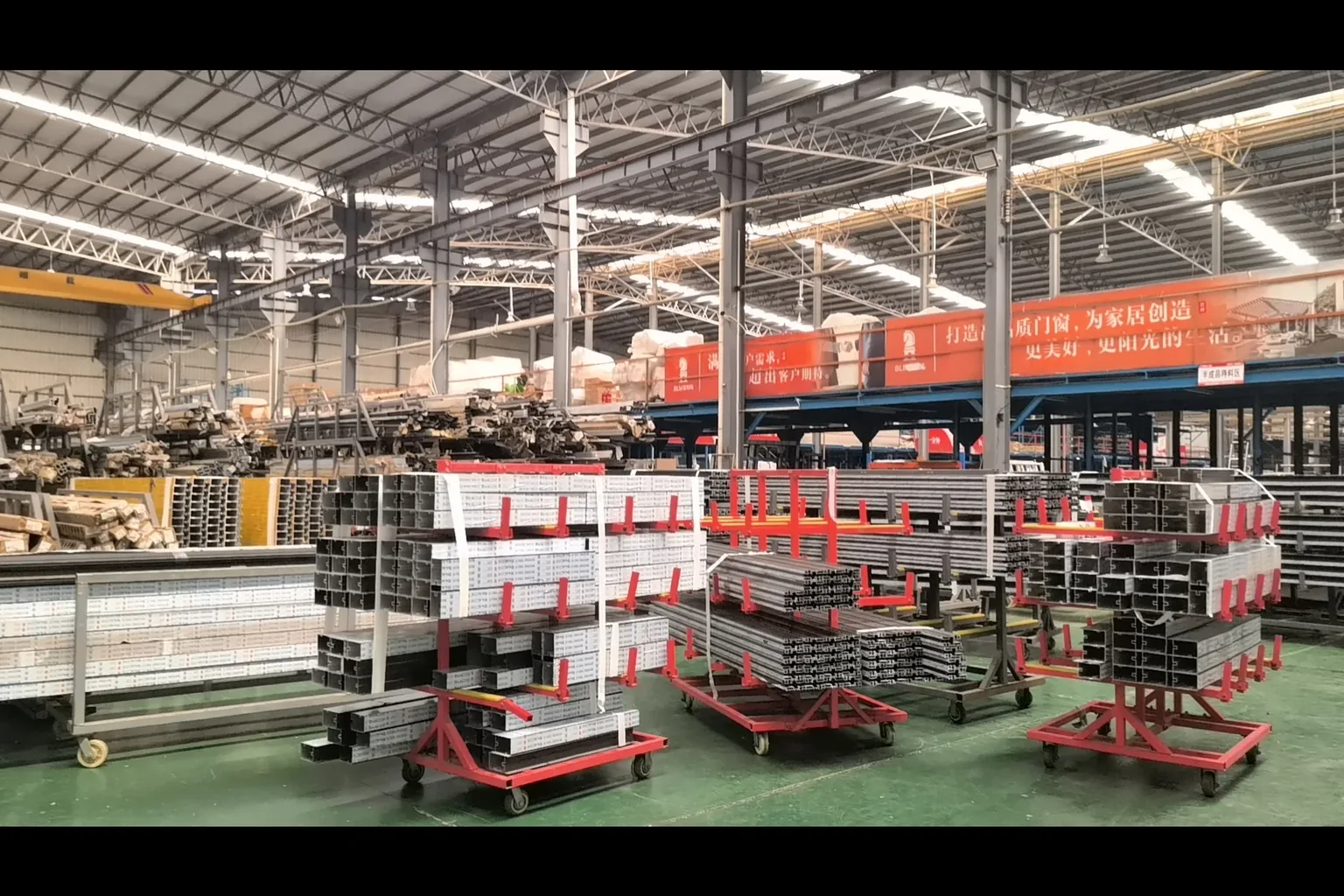
Starveil combines in-house manufacturing with a disclosed partner network under one project specification, approval and quality framework. The supply tier is identified by category; source changes, specialist components and evidence limitations are made visible rather than hidden behind a single-company claim.
In-house core
Envelope, cabinetry, doors and furniture
Vetted partners
Specialist hard-interior and lighting systems
One specification
Shared drawings, finishes and approvals
Source visibility
Tier and exact model disclosed by category
On this pagePrioritiesWorkflowBest-fit routesDeliverablesEvidenceFAQ
Decision Priorities
What Must Be Clear Before a Reliable Proposal
Early clarity reduces hidden assumptions, unpriced interfaces and late approval changes.
Supply-tier clarity
Know which systems are in-house, partner manufactured or agency coordinated.
Approved-source control
Connect specialist components and exact models to the submittal package.
Cross-category coordination
Align dimensions, colors, hardware, quantities and delivery dependencies.
Change governance
Record factory, material or model changes and obtain approval before substitution.
Working Model
From Project Brief to Controlled Delivery
One documented sequence connects design intent, commercial scope, technical approval, production and handoff.
- 01
Map every category
The package matrix records system, source tier, scope and owner.
- 02
Qualify the supply route
Capability, documentation, samples, capacity and project fit are reviewed.
- 03
Unify the approval basis
All sources work to controlled drawings, schedules and finish references.
- 04
Monitor production and risk
Progress, long-lead items, changes and inspections are tracked by category.
- 05
Consolidate the handoff
Packing and delivery records reconnect separate factories to one project sequence.
Best-Fit Routes
Start with the Page Closest to Your Decision
Use these focused routes before opening deeper product parameters.
Responsibility by Gate
Deliverables and Approval Boundaries
Every gate identifies what Starveil prepares and what the appointed project team must confirm.
| Project gate | Starveil deliverable | Client / project-team action |
|---|---|---|
| Scope matrix | Category, supply tier, inclusions, source and responsibility | Established before award |
| Approval set | Drawings, samples, exact models and evidence status | Controlled by revision |
| Production register | Factory status, risks, changes and inspection plan | Updated through manufacture |
| Consolidation record | Packing lists, crate/container plan and shipment batches | Matched to site sequence |
A coordinated supply chain does not mean every item is made in one factory. It means each source and responsibility is disclosed, while project information, approvals, QC and delivery are controlled through one accountable coordination layer.
Visible Evidence
From Process Claim to Inspectable Record
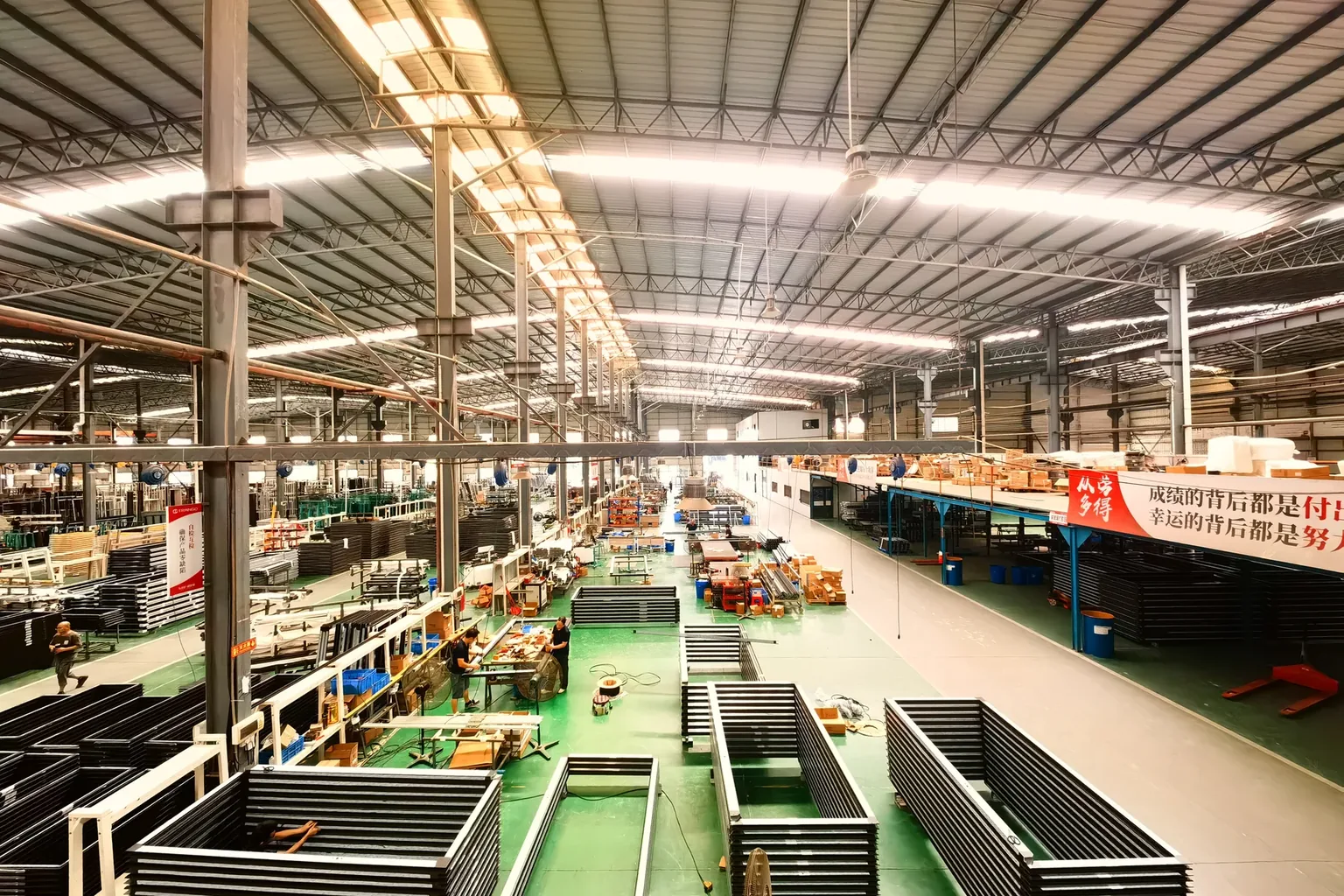
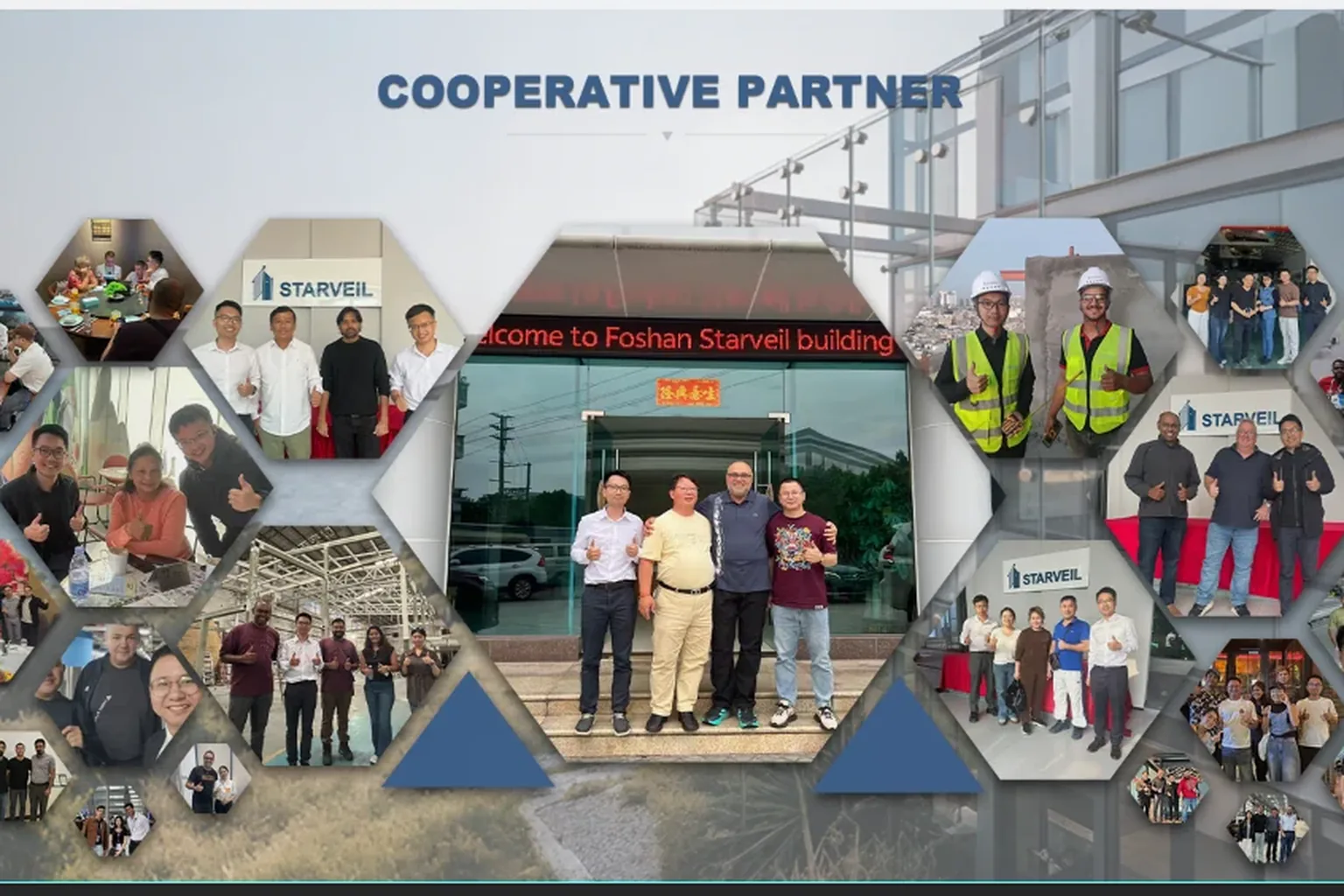
Photography supports the existence of facilities and activities; drawings, schedules, reports and QC records support the exact product or project claim.
Frequently Asked Questions
Supply Chain Questions
Is Starveil a trading company?+
No. Starveil combines substantial in-house manufacturing with managed partner supply for specialist categories. The supply tier is disclosed by product family.
Which systems are manufactured in-house?+
Core in-house families include windows, exterior doors, façade and curtain-wall systems, kitchen and built-in cabinetry, wardrobes, interior doors and project furniture.
Why use partner factories?+
Some specialist systems are better sourced from focused manufacturers. Starveil qualifies and coordinates them under the project’s approved specification rather than claiming they are made in-house.
Can a source change after approval?+
Only through documented change control stating the reason, technical and finish impact, evidence and approval required.
How are finishes coordinated across factories?+
Labeled physical control samples, finish schedules, first-offs and inspection records establish the accepted range for each category.
Start with the Project Facts
Share the Location, Stage, Drawings and Scope
We will identify the best-fit package, missing decision inputs and the evidence or approval route needed before quotation.